What a records retention schedule is
Every document the city creates has a lifespan. A records retention schedule is the written rulebook for how long Pawnee keeps each kind of record before it is either archived permanently or destroyed. It is one of the least glamorous documents at City Hall, and one of the most important.
The schedule covers everything from a one-line service request to decades of council minutes. Here is how long we hold the records residents ask about most, and the reasoning behind each timeline.
How long Pawnee keeps common records
Building permits stay on file for 7 years, so the deck you build this spring will still be documented in 2033. Tax records are kept for 10 years. Routine city emails are now held for 5 years, up from 3 after this year's schedule update, and service request logs, like the ones from a big snowstorm, are kept for 5.
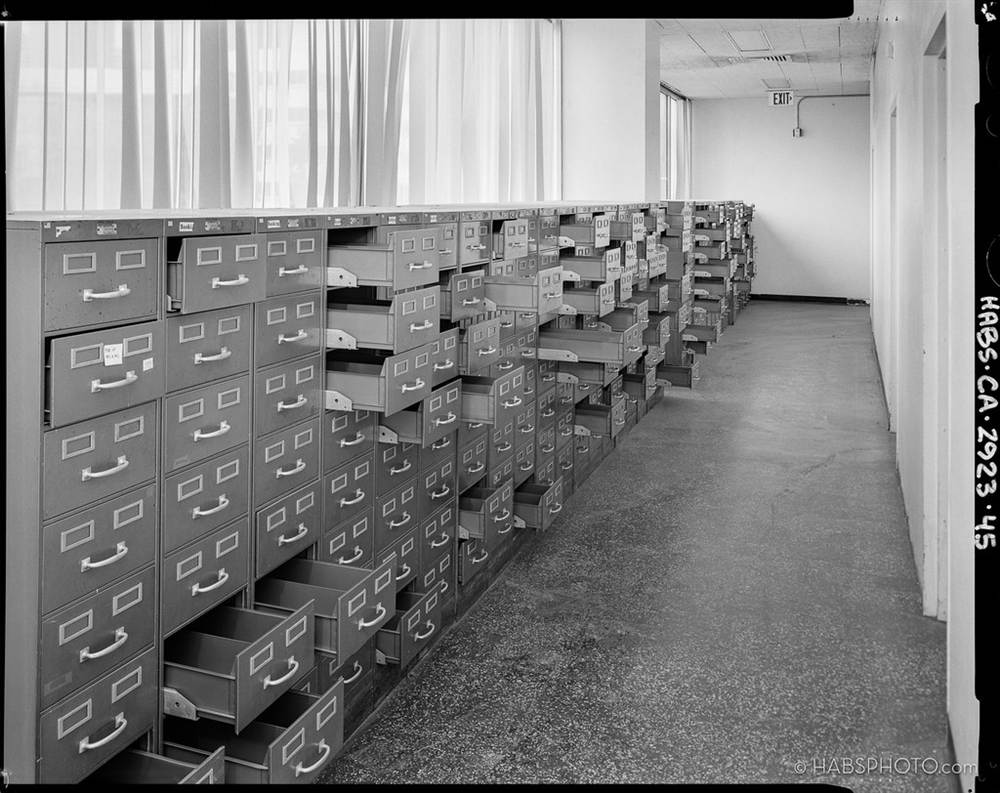
Some records never leave. Council minutes are kept permanently, and serious police reports are held for 25 years. When people picture the archive, this is what they mean: rows of boxes in the basement, plus the digital equivalent, going back generations.
Why the timelines are different
The short answer is that the law sets many of them. State and federal rules require cities to keep certain records, such as tax and financial documents, for a set number of years so they can be audited. Other timelines are practical: a routine email about a meeting time has little value after a few years, so keeping it forever would only fill up servers.
A few categories are kept because they matter to the community's memory, not because a rule demands it. That is why council minutes are permanent. A decision made in a council meeting in 1974 can still answer a question someone asks in 2026.
The records we keep forever
Permanent records are where the retention schedule turns into local history. The papers of Charlotte Greene, Pawnee's first Black city councilmember, elected in 1972, sit in the historical records collection alongside her handwritten notes and her 1974 budget testimony. None of that would survive if it had been filed away as routine paperwork.
You can view the historical collection in person in the archive room on the third floor of City Hall, open Wednesdays from 2 to 5pm.
How to see your own records
As long as a record is still within its retention window, you can ask for a copy. Most requests come through the online FOIA portal at pawnee.gov/foia, and the City Clerk's Office pulls the file from the archive. Records retention and FOIA really work as a pair: retention decides what still exists, and a FOIA request is how you get a copy of it.
Read the full schedule
This is the short version. The complete records retention schedule, category by category, is published at pawnee.gov/retention. It is a long PDF, but everything the city keeps and for how long is in there. If you cannot find your answer, the clerk's team will walk you through it.